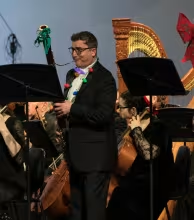
Evanston Symphony Orchestra offering special holiday show for people with special needs, by Chris Gillock
Dec. 14 performance will welcome those who vocalize, move and have different ways of experiencing music

Give the gift of music by ordering directly from our website and purchasing a custom gift certificate in any denomination of your choice! Certificates may be redeemed for single ticket or season subscriptions for any of our concerts.
You will receive an electronic gift certificate or we can mail the certificate to you or directly to the recipient.
Dec. 14 performance will welcome those who vocalize, move and have different ways of experiencing music
Retired ESO timpanist John F. Russell was born in Gloucester, England. His parents worked in a nursing home there until an American relative in Cicero offered his father work and housing. Britain was rebuilding after World War II, and good jobs were scarce, so the family packed up and came to the States when John was 4 years old.
Please enjoy these wonderful videos from our June concert.
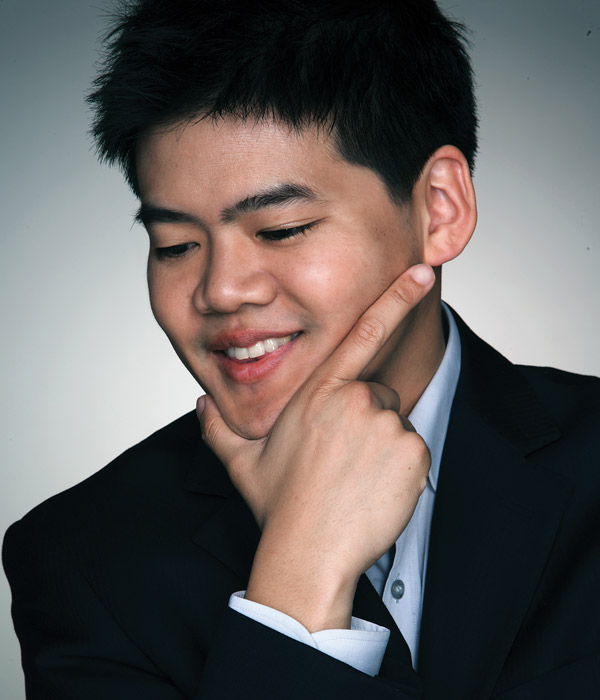
Ko-Eun Yi playing Ravel's Piano Concerto in G Major.
William Grant Still: Mother and Child.
Born in 1875 to a white English mother, Alice Hare Martin, and a Sierra Leonean father, Samuel Coleridge-Taylor was raised by his mother and never knew his father, who had moved back to Sierra Leone before Samuel was born. Alice named Samuel after poet Samuel Taylor Coleridge, and, being from a family with many talented musicians, her father began teaching Samuel violin at a young age. It did not take very long for Samuel to surpass his grandfather’s abilities, at which point he enrolled in the new Royal College of Music.
Robert Schumann (1810–1856) was a German composer and pianist of the early Romantic era. He began piano lessons at age six and showed an early gift for capturing character and emotion in melody. He composed in all the main musical genres of the time, writing for solo piano, voice and piano, orchestra, chamber groups, choir, and opera. His works typify the spirit of the Romantic era in German music.
Ludwig van Beethoven’s (1770-1827) fifth and final piano concerto was commissioned by Archduke Rudolf, his friend and student. Beethoven began writing the piece in 1809, but the Napoleonic Wars made this difficult as Napoleon’s armies invaded Vienna. Nevertheless, Beethoven completed the piece, but the war delayed its premiere.
Overcome by despair for his forbidden love and betrayal of his uncle, King Marke, Tristan casts his sword to the ground and allows himself to be impaled by his former friend’s sword. Tristan sees his own death as the only way to consummate his love with Isolde, whose fiancé he had killed before the start of the opera. Their relationship, originally defined by mortal rivalry, is transformed when the poison they were to drink to alleviate their grief is replaced with a love potion.